Friendship
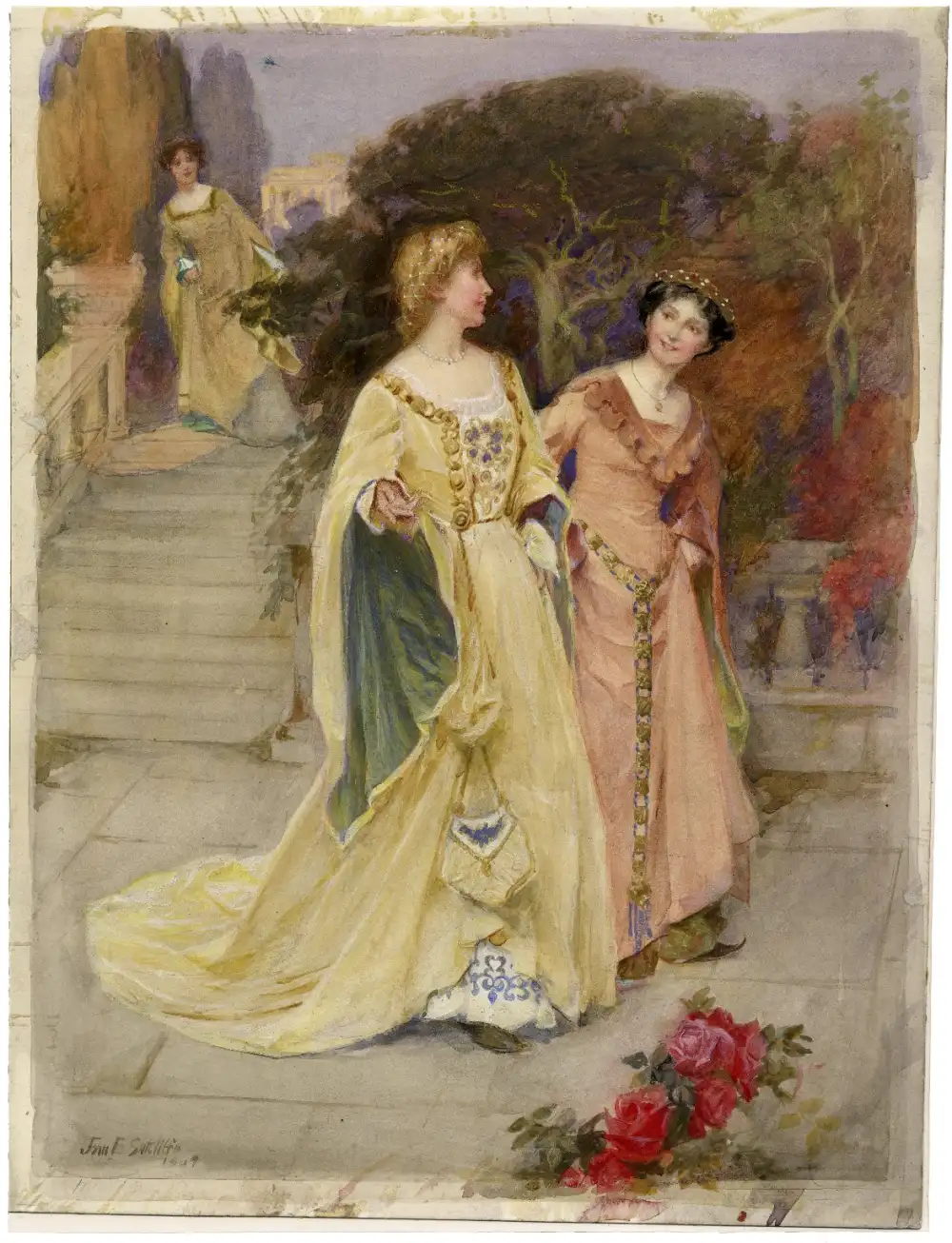
- Friendship means familiarity with and liking of each other's mind.
- People who are friends talk to each other and spend time together. They trust one another and also help each other when they are in trouble or are hurt. Friends are people that can be looked up to and trusted. Friends usually have similar interests. A friend is one who admires another person.
- The strength of the bond of friendship between two people can vary. If the bond is very strong, they are called best friends.
- There are expectations, demands, and complaints in friendship too. If friends do not match your expectations, it does not mean you will break the friendship. It is all about understanding, realizing, and helping whenever possible.
- Friendship is both good and bad. Generally, it is only people of similar age, character, and background, mentality, etc., who can understand the problems of another person. Friends are needed for support and for sharing.
- There are many different types of friendships. Most people find friends at a young age. Some do not have friends until much later in life, others will never make friends in their lifetime. Friendships can end. Friends leaving can be caused by differences in opinion or not talking to each other for a long time.
Words to know
- familiarity
- knowing someone or something well — Vertrautheit — impertinencia — familiarité — familiaridade — фамильярность
- trust A2
- believe that someone is honest and will not hurt you — vertrauen — confiar — faire confiance — fidarsi — ufać — confiar — доверять — güvenmek — довіряти
- similar A2
- almost the same, but not exactly — ähnlich — similar, parecido, semejante — similaire, semblable — simile, somigliante — podobny — parecido, similar, semelhante — похожий, подобный, схожий — benzer — схожий, подібний
- admire A2
- likes and respects someone very much — bewundern, verehren — admirar — admirer — ammirare — podziwiać — admirar — восхищаться, восторгаться, любоваться — hayran olmak — захоплюватися
- bond B1
- a strong feeling that connects people — Obligation, Anleihe — obligation — vincolo — zobowiązanie — vínculo — бонд, облигация — senet — облігація
- vary B1
- be different in different cases — variieren — variar — varier — variare — zmienić, zmieniać — variar
- expectation B2
- beliefs about what someone should do — Erwartung — expectativa — attente — aspettativa — oczekiwanie — expectativa, espera — ожидание, надежда — очікування, надія
- complaint A2
- words saying that you are unhappy about something — Beschwerde, Klage, Reklamation — queja — plainte, réclamation — lamentela, reclamo — skarga — reclamação, queixa — жалоба — şikâyet — скарга, жалоба
- mentality
- a person's way of thinking — Mentalität — mentalidad — mentalité — mentalità — sposób myślenia, mentalność — mentalidade — склад ума, менталитет, ментальность — менталітет
- lifetime B2
- the whole time a person is alive — Leben, Lebenszeit — vida — vie, durée de vie — durata — życie — vida — вся жизнь, продолжительность жизни, время жизни — ömür, yaşam — вік
Text: Simple English Wikipedia, “Friendship”, Wikipedia contributors, https://simple.wikipedia.org/wiki/Friendship · CC BY-SA 4.0 (https://creativecommons.org/licenses/by-sa/4.0/) · shortened · Picture: John Sutcliffe / Folger Shakespeare Library, CC BY-SA 4.0 (https://creativecommons.org/licenses/by-sa/4.0/), https://commons.wikimedia.org/wiki/File:Beatrice_overhears_Hero_and_Ursula.jpg · Translations: English Wiktionary contributors, CC BY-SA 4.0 (https://creativecommons.org/licenses/by-sa/4.0/) · Worksheet: https://krumeto.com/read/friendship
A. Choose the right answer
- What do friends do when one of them is in trouble? A2
- a) They make complaints.
- b) They stop talking for a long time.
- c) They look for new friends.
- d) They help each other.
- What are two friends called when the bond between them is very strong? A2
- a) old friends
- b) similar friends
- c) true friends
- d) best friends
- Your friend forgets your birthday. According to paragraph 4, what should this mean? B1
- a) You should not talk to them for a while.
- b) The bond between you was never strong.
- c) It is not a reason to end the friendship.
- d) You should find friends of a similar age.
- Who can usually understand another person's problems, according to paragraph 5? A2
- a) People of similar age, character and background
- b) People who are much older
- c) People who are very different from them
- d) People they have just met
- When do most people find friends? A2
- a) At a young age
- b) After they finish school
- c) Much later in life
- d) When they start working
- Which reason for a friendship ending does the text give? A2
- a) One friend moving to another country
- b) Having very similar interests and hobbies
- c) Getting older and having less free time
- d) Not talking to each other for a long time
- In paragraph 3, the strength of a friendship "can vary". This means it… A2
- a) is exactly the same for all best friends
- b) always becomes stronger as the years go by
- c) can never be measured or described
- d) can be different from one friendship to another
B. Answer in full sentences
- What makes someone a good friend? Write five sentences with examples.
- The text says friendship is "both good and bad". Do you agree? Discuss with a partner.
Answer key
- d) They help each other. — Paragraph 2 says friends help each other when they are in trouble or are hurt.
- d) best friends — Paragraph 3 says that if the bond is very strong, they are called best friends.
- c) It is not a reason to end the friendship. — Paragraph 4 says that if friends do not match your expectations, it does not mean you will break the friendship.
- a) People of similar age, character and background — Paragraph 5 says it is generally people of similar age, character and background.
- a) At a young age — Paragraph 6 says most people find friends at a young age.
- d) Not talking to each other for a long time — Paragraph 6 says friends leaving can be caused by differences in opinion or not talking for a long time.
- d) can be different from one friendship to another — Paragraph 3: the strength of the bond can vary, so some friendships are stronger than others.
Text: Simple English Wikipedia, “Friendship”, Wikipedia contributors, https://simple.wikipedia.org/wiki/Friendship · CC BY-SA 4.0 (https://creativecommons.org/licenses/by-sa/4.0/) · shortened · Picture: John Sutcliffe / Folger Shakespeare Library, CC BY-SA 4.0 (https://creativecommons.org/licenses/by-sa/4.0/), https://commons.wikimedia.org/wiki/File:Beatrice_overhears_Hero_and_Ursula.jpg · Translations: English Wiktionary contributors, CC BY-SA 4.0 (https://creativecommons.org/licenses/by-sa/4.0/) · Worksheet: https://krumeto.com/read/friendship