Money
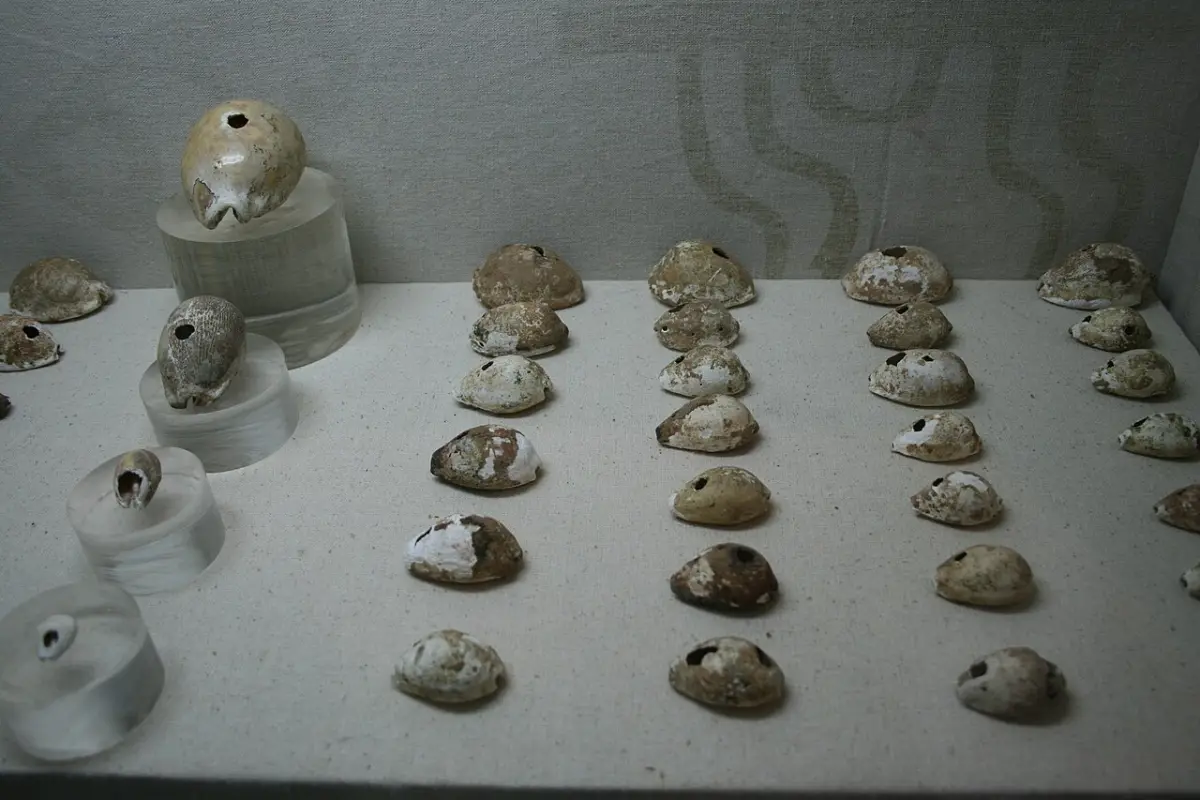
- Money, also sometimes called currency, can be defined as anything that people use to buy goods and services. Money is what many people receive for selling their own things or services.
- There are lots of different kinds of money in the world. Most countries have their own kind of money, such as the United States dollar or the Iranian rial.
- The idea of bartering things is very old. A long time ago, people did not buy or sell with money. Instead, they traded one thing for another to get what they wanted or needed. One person who owned many cows could trade with another person who had a lot of wheat. Each would trade a little of what he had with the other. This would support the people on his farm. Other things that were easier to carry around than cows also came to be held as valuable. This gave rise to trade items such as jewelry and spices.
- When people changed from trading in things like, for example, cows and wheat to using money instead, they needed things that would last a long time. They must still have a known value, and could be carried around. The first country in the world to make metal coins was called Lydia. These first appeared during the 7th century BC, in the western part of what is now Turkey. The Lydian coins were made of a weighed amount of precious metal and were stamped with a picture of a lion. This idea soon spread to Greece, the rest of the Mediterranean, and the rest of the world. Coins were all made to the same size and shape. In some parts of the world, different things have been used as money, like clam shells or blocks of salt.
Words to know
- currency B1
- the money used in a particular country — Währung — moneda, divisa — monnaie, devise — valuta — waluta — moeda — валюта — para birimi — валюта
- goods B1
- things that people make and sell — Güter, Ware — bienes — produit, marchandise — beni, merce — dobra, towar — produtos, mercadoria — добро, продукт, товар — mal — товар
- service B1
- work that people do for others for money — Service, Dienst, Bedienung — servicio — service — servizio — serwis, obsługa, usługa — serviço — обслуживание, услуга, служба — hizmet — сервіс, служба, обслуговування
- barter
- exchanging things without using money — tauschen — trocar — troquer — barattare — uprawiać barter — trocar — проводить бартерные сделки
- trade A2
- gave one thing and got another thing back
- wheat B2
- a plant whose grain is used to make flour — Weizen — trigo — blé — grano, frumento — pszenica — trigo — пшеница — buğday — пшениця
- valuable B1
- worth a lot of money — wertvoll — valioso — précieux — prezioso — wartościowy, drogocenny — valioso — ценный — değerli — цінний
- spice B1
- dried plant parts used to give food flavour — Gewürz, Würze — especia — épices — spezie — przyprawa — especiaria, tempero — специя, пряность, приправа — baharat — прянощі, приправа, спеція
- precious B1
- rare and worth a lot of money — kostbar, wertvoll — precioso, preciado — précieux — prezioso, unico — cenny, drogi, drogocenny — precioso — ценный, драгоценный, дорогой — değerli, kıymetli — дорогоцінний, коштовний, дорогий
- stamp A2
- marked with a printed picture or sign — taper du pied — battere i piedi — tupać — топать, топнуть
Text: Simple English Wikipedia, “Money”, Wikipedia contributors, https://simple.wikipedia.org/wiki/Money · CC BY-SA 4.0 (https://creativecommons.org/licenses/by-sa/4.0/) · shortened · Picture: Gary Todd, CC0 1.0 (https://creativecommons.org/publicdomain/zero/1.0/), https://commons.wikimedia.org/wiki/File:Shang_Cowrie_Money_(10197685123).jpg · Translations: English Wiktionary contributors, CC BY-SA 4.0 (https://creativecommons.org/licenses/by-sa/4.0/) · Worksheet: https://krumeto.com/read/money
A. Choose the right answer
- What is the money of Iran called in the text? A2
- a) the dollar
- b) the lira
- c) the dinar
- d) the rial
- Before money, how did people get what they needed? A2
- a) They traded one thing for another.
- b) They worked for the king.
- c) They used clam shells only.
- d) They made metal coins.
- Why did things like jewelry and spices become trade items? B1
- a) They lasted longer than coins.
- b) They were stamped with a picture of a lion.
- c) They were the only things people needed.
- d) They were easier to carry around than cows.
- Which country made the first metal coins? A2
- a) Persia
- b) Egypt
- c) Lydia
- d) Greece
- What picture was on the first Lydian coins? A2
- a) A lion
- b) A clam shell
- c) A king
- d) A cow
- Put these in the order the text tells them: (1) coins spread to Greece, (2) people trade cows for wheat, (3) Lydia makes metal coins. A2
- a) 3 – 2 – 1
- b) 2 – 3 – 1
- c) 1 – 3 – 2
- d) 2 – 1 – 3
- What else has been used as money in some parts of the world? A2
- a) Stones and bird feathers
- b) Glass beads and iron bars
- c) Clam shells and blocks of salt
- d) Pieces of paper and wood
B. Answer in full sentences
- Imagine a world without money. How would you get food and clothes? Write a short paragraph.
- What would be good or bad about paying only with cards and phones, with no coins or notes? Discuss.
Answer key
- d) the rial — Paragraph 2 gives the Iranian rial as an example.
- a) They traded one thing for another. — Paragraph 3 says people traded one thing for another to get what they wanted or needed.
- d) They were easier to carry around than cows. — Paragraph 3 says things that were easier to carry than cows came to be held as valuable.
- c) Lydia — Paragraph 4 names Lydia, in the western part of what is now Turkey.
- a) A lion — Paragraph 4 says the coins were stamped with a picture of a lion.
- b) 2 – 3 – 1 — Paragraph 3 describes trading cows and wheat; paragraph 4 describes Lydia's coins and then their spread to Greece.
- c) Clam shells and blocks of salt — The last sentence of paragraph 4 mentions clam shells and blocks of salt.
Text: Simple English Wikipedia, “Money”, Wikipedia contributors, https://simple.wikipedia.org/wiki/Money · CC BY-SA 4.0 (https://creativecommons.org/licenses/by-sa/4.0/) · shortened · Picture: Gary Todd, CC0 1.0 (https://creativecommons.org/publicdomain/zero/1.0/), https://commons.wikimedia.org/wiki/File:Shang_Cowrie_Money_(10197685123).jpg · Translations: English Wiktionary contributors, CC BY-SA 4.0 (https://creativecommons.org/licenses/by-sa/4.0/) · Worksheet: https://krumeto.com/read/money